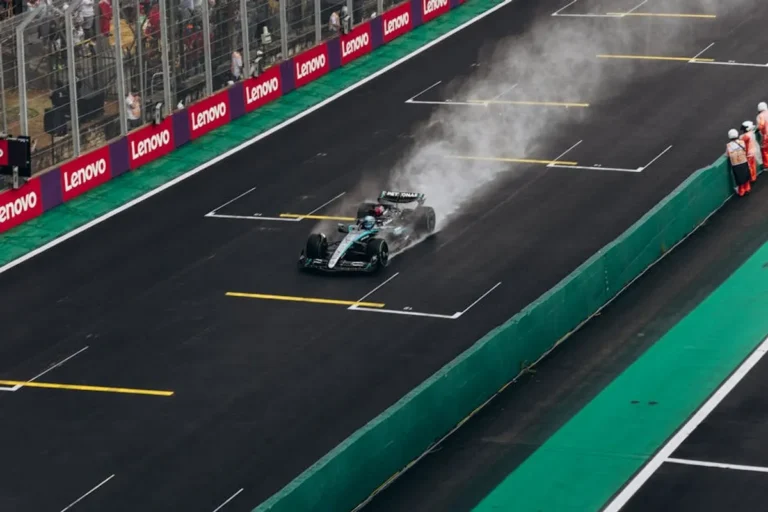

Formula 1 operates on a relentless schedule, both on and off the track. For enthusiasts, content creators, and marketing professionals, understanding the flow of F1 news—from breaking headlines to intricate technical updates—is crucial for maintaining relevance and capturing audience attention. The sport's global appeal and rapid developments mean that staying current with driver lineups, race fixtures, and team announcements isn't merely a pastime; it's a strategic imperative for informed engagement and timely content generation. For those invested in the sport, staying current with F1 news about driver lineups and race fixtures is paramount for timely content creation.
Understanding the F1 Information Ecosystem
The F1 news cycle is characterized by its speed and depth. Information emerges from official team announcements, regulatory bodies, specialized journalists, and driver social media channels, often simultaneously. Navigating this landscape requires a discerning approach to identify credible sources and categorize information effectively. The sheer volume necessitates a structured method for consumption and analysis.
Key Components of F1 News Coverage
- Latest News: This encompasses immediate race results, post-race analyses, significant incidents, and breaking stories regarding team personnel changes or regulatory decisions. Timeliness is paramount here, as information can become outdated within hours.
- Lineups: Driver and team principal changes, contract extensions, and academy driver promotions are significant news items. These impact team dynamics, sponsorship opportunities, and fan narratives. The "silly season" for driver transfers often generates substantial speculative content.
- Fixtures: The F1 calendar is dynamic. Updates on race dates, session times, circuit changes, or even cancellations directly affect viewing schedules and travel plans. Official announcements from Formula 1 management are the definitive source.
- Updates: This broad category includes technical developments (car upgrades, engine performance), driver health reports, sponsorship deals, and broader sport governance discussions. These updates often provide deeper context for on-track performance and future trajectories.
Sourcing Reliable F1 Information
Accessing accurate and timely F1 news depends on cultivating a curated set of information sources. Relying solely on a single outlet can lead to an incomplete or biased perspective. A multi-source approach ensures comprehensive coverage and aids in cross-referencing facts.
Best for official announcements: Formula1.com, individual team websites, and official FIA communications. These provide primary source information, often with technical details and direct quotes.
Best for in-depth analysis and breaking stories: Reputable motorsport news outlets and specialized journalists. These sources often have established relationships within the paddock, allowing for quicker access to developing stories and expert commentary. Look for journalists with a proven track record of accurate reporting and informed analysis.
Best for real-time reactions and community insights: Social media platforms, particularly Twitter (now X) and Reddit, where teams, drivers, and journalists often share updates and engage in discussions. While valuable for immediacy, these platforms require careful discernment to filter speculation from verified news.
Pro Tip: When evaluating F1 news, prioritize sources that cite official statements or provide direct quotes. During periods of intense speculation, such as driver transfer windows, cross-reference information across at least two independent, reputable outlets before accepting it as fact. Unverified rumors, while engaging, can quickly misinform audiences and undermine content credibility.
Strategic Application of F1 Insights
For marketing professionals and content creators, F1 news is a rich vein of opportunity. Understanding the nuances of the sport's developments allows for the creation of timely, relevant, and engaging content that resonates with a passionate global audience.
- Content Calendar Planning: Upcoming race weekends, car launches, or significant regulation changes can dictate content themes weeks in advance.
- Social Media Engagement: Real-time updates during practice sessions, qualifying, and races drive immediate interaction and community building.
- Trend Identification: Analyzing recurring themes in technical updates or driver feedback can inform longer-form content pieces or market analysis.
- Sponsorship and Partnership Opportunities: Awareness of team developments, driver contract statuses, and new partnerships can highlight potential commercial alignments.
Navigating the F1 Calendar's Rhythms
The F1 year is structured around distinct phases, each generating specific types of news and requiring different levels of attention.
Pre-Season Testing: This period, typically in late winter, provides the first glimpse of new cars and driver-team dynamics. News focuses on car performance, reliability, and early pecking order predictions. This is a critical time for initial content generation and audience speculation.
Race Weekends: From Thursday media days through Sunday's Grand Prix, news is constant: practice session results, qualifying reports, driver interviews, technical issues, and race strategy breakdowns. Live coverage and immediate post-race analysis are key.
Off-Season Developments: Following the final race, the "silly season" for driver transfers often intensifies. Team reorganizations, car development updates, and regulatory changes for the following year dominate the headlines until pre-season testing resumes. This period is valuable for retrospective analysis and future outlook content.
Sustaining Your F1 Knowledge Edge
Maintaining a current and comprehensive understanding of Formula 1 requires consistent effort. Subscribing to newsletters from trusted sources, following key journalists and teams on social media, and utilizing dedicated F1 news aggregators can streamline information intake. Regularly reviewing official F1 documents, such as sporting and technical regulations, also provides foundational knowledge that enhances the interpretation of daily news.
Frequently Asked Questions
Where is the most reliable place to find official F1 race fixtures?
The official Formula 1 website (Formula1.com) and the FIA (Fédération Internationale de l'Automobile) website are the definitive sources for confirmed race fixtures, session times, and any calendar changes.
How can I track F1 driver contract news and lineup changes effectively?
Following reputable motorsport journalists on social media and subscribing to newsletters from established F1 news sites often provides the earliest credible information on driver contracts and team lineups. Official announcements will then follow from the teams themselves or Formula 1.
What kind of "updates" are most relevant for content creation in F1?
Technical updates on car performance, significant regulatory changes, and driver health or team principal movements typically offer the most substantial opportunities for in-depth analysis, opinion pieces, and explanatory content due to their direct impact on the sport's competitive landscape.
Is social media a good source for breaking F1 news?
Yes, social media can be excellent for breaking news due to its immediacy, with teams, drivers, and journalists often sharing updates in real-time. However, it is crucial to verify information from multiple reputable sources to differentiate between confirmed news and speculation.