
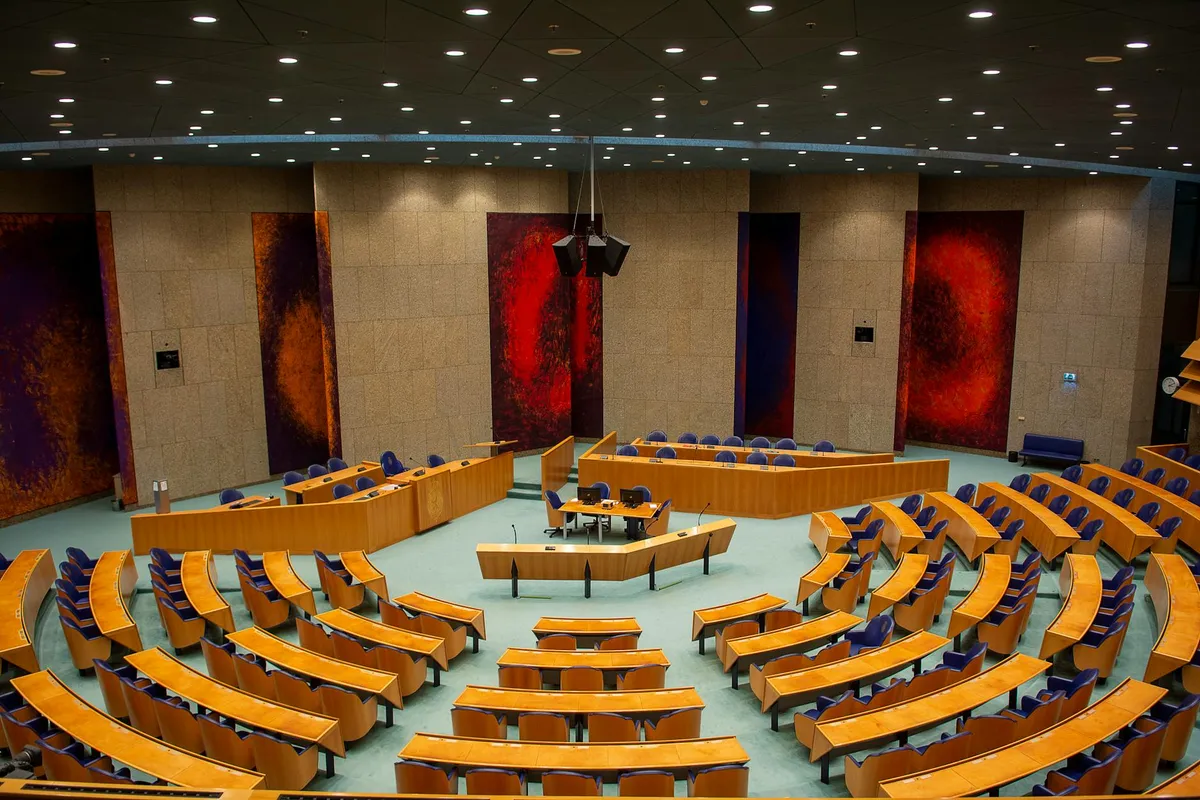
The Wet Kansspelen op afstand (Remote Gambling Act, KOA) entered into force on 1 April 2021, establishing substantial framework for licensed Dutch online gambling for the first time. The framework reflects substantial Dutch policy thinking accumulated across years of preparation and continues to evolve through implementation experience. Understanding what the framework actually means clarifies substantial portions of Dutch gambling reality.
This essay attempts to examine the framework with the care it warrants. The reading rewards sustained attention to multiple regulatory and institutional layers.
The basic framework structure
The KOA establishes specific framework elements:
Licensed online gambling for Dutch market through Kansspelautoriteit licensing.
Specific consumer protection requirements including substantial responsible-gambling framework.
Cruks (Centraal Register Uitsluiting Kansspelen) cross-operator self-exclusion register.
Specific tax framework for licensed operations.
Substantial advertising restrictions affecting market dynamics.
Specific operator licensing standards including financial, operational, and compliance requirements.
Specific anti-money-laundering and KYC requirements.
The framework represents substantial regulatory development affecting Dutch market substantially.
The implementation timeline
Implementation followed specific timeline:
Legislation passed in 2018-2019 timeframe.
1 April 2021: KOA entered into force; licensing applications opened.
1 October 2021: first wave of operators began licensed operations.
Subsequent waves of operator licensing continued through 2022-2023.
Continued framework evolution through Ministerial regulation and KSA policy development.
Specific reform consideration including 2023-2024 advertising restrictions.
The implementation continues to evolve substantially.
The licensing requirements
Licensing requirements have specific characteristics:
Substantial financial integrity requirements including specific capital and surety requirements.
Substantial operational requirements including platform certification.
Specific responsible-gambling tool requirements.
Cruks integration requirements.
Specific advertising compliance requirements.
Substantial reporting and audit requirements.
Specific organizational and personnel requirements.
The licensing represents substantial regulatory standard with substantial compliance burden.
The Cruks register specifically
Cruks warrants specific examination as central consumer protection element:
Centralized cross-operator self-exclusion register.
All licensed Dutch operators must integrate with Cruks.
Players can register voluntarily for self-exclusion.
Specific minimum exclusion periods.
Operators must check Cruks before service provision.
Specific implementation has produced substantial registrations.
Cross-operator scope addresses major gap that single-operator self-exclusion creates.
The Cruks framework represents substantive consumer protection mechanism.
The advertising restrictions evolution
Advertising restrictions have evolved substantially:
Initial KOA framework included specific advertising restrictions.
Public concern about gambling advertising prompted substantial subsequent restriction.
Untargeted advertising for online gambling effectively banned through specific reforms.
Specific channels (television, public outdoor, others) face substantial restrictions.
Continued evolution of advertising framework.
The advertising evolution represents substantial Dutch regulatory development affecting market dynamics.
The tax framework
Tax framework has specific characteristics:
Kansspelbelasting (gambling tax) at specific rate on gross gaming revenue.
Recent rate increase from 29% to 30.5% with planned further increase to 37.8%.
Substantial tax burden affecting operator economics.
Specific tax applies to player winnings in some scenarios.
Cross-border tax considerations affect specific operations.
The tax framework represents substantial industry economic factor.
The KSA institutional context
Kansspelautoriteit operates as substantial institutional context:
Established under specific Dutch legal framework.
Specific organizational structure under Ministry of Justice and Security oversight.
Substantial enforcement authority including fines, license suspension, criminal referrals.
Specific ongoing operational priorities including consumer protection.
Continued institutional development.
The KSA represents substantial regulatory institution warranting substantive analysis.
The pre-KOA enforcement era
Pre-KOA enforcement context informs current framework:
Substantial KSA enforcement against unlicensed operators serving Dutch market pre-KOA.
Specific enforcement actions producing fines and operational disruptions.
Substantial enforcement priority on specific operator characteristics.
Continued enforcement against unlicensed operators post-KOA.
The pre-KOA enforcement context shaped current framework development.
The cross-border dimension
Cross-border dynamics affect Dutch framework substantially:
Pre-KOA Dutch gambling activity substantially flowed to offshore operators.
Post-KOA channelization to licensed operators represents key policy goal.
Continued offshore operator activity despite licensed market establishment.
Cross-border enforcement complications.
EU framework interaction affecting cross-border services.
The cross-border dimension represents substantial policy challenge.
The channelization goals
Channelization (moving Dutch players from unlicensed to licensed operators) represents core KOA goal:
Specific target percentage of Dutch gambling activity through licensed operators.
KSA tracking of channelization rates.
Specific policy adjustments responding to channelization performance.
Continued challenges in achieving specific channelization targets.
Trade-off between consumer protection requirements and channelization effectiveness.
The channelization dimension represents substantial ongoing policy consideration.
The responsible-gambling framework
Responsible-gambling framework has specific characteristics:
Substantial deposit limit options including specific defaults.
Cruks cross-operator self-exclusion.
Specific behavioral monitoring requirements.
Time and reality check requirements.
Specific intervention requirements when concerning patterns identified.
Continued framework evolution incorporating accumulated evidence.
The responsible-gambling framework represents substantial consumer protection investment.
The European context
Dutch framework operates within European context:
EU services directive interaction with national gambling regulation.
European Court of Justice precedents affecting national gambling regulation.
Cross-border services considerations.
EU-level regulatory developments (MiCA, Digital Services Act, others) affect specific aspects.
The European context substantially shapes Dutch framework development.
The recent reform considerations
Continued framework evolution includes specific recent considerations:
Substantial advertising restrictions implemented through 2023-2024.
Specific consumer protection enhancements.
Tax rate adjustments.
Specific reform proposals affecting various framework dimensions.
Continued legislative and regulatory activity.
The reform dimension represents continuing framework development.
What the framework establishes
The substantive framework establishes:
Licensed Dutch online gambling market with substantial regulatory standards.
Substantial consumer protection mechanisms including Cruks.
Specific tax framework affecting operator economics.
Substantial advertising restrictions.
Specific anti-money-laundering and KYC requirements.
Continued framework evolution responding to accumulated evidence.
The framework represents substantial Dutch regulatory achievement.
What the framework doesn't fully accomplish
Honest acknowledgment of framework limits:
Substantial offshore activity continues despite licensed market.
Channelization targets face continued challenges.
Specific consumer harm continues despite consumer protection framework.
Cross-border enforcement faces substantial limits.
Specific operator behavior issues continue requiring enforcement attention.
The framework limits inform continuing reform work.
What sustained attention reveals
The patient examination reveals:
Substantial regulatory framework with substantive consumer protection investment.
Specific institutional context shaping framework operations.
Continued framework evolution responding to accumulated evidence.
Cross-border dimensions creating substantial policy complexity.
Specific trade-offs in framework design.
The framework rewards substantive analytical engagement.
What this means for operators
For Dutch market operators:
Substantial compliance burden requiring substantial operational investment.
Continued regulatory evolution requiring continued attention.
Specific licensing requirements affecting market entry decisions.
Cross-jurisdictional considerations alongside Dutch-specific framework.
Substantive engagement with framework supports sustainable operations.
What this means for consumers
For Dutch consumers:
Substantial consumer protection framework when using licensed operators.
Cruks provides substantive cross-operator self-exclusion.
Specific risks remain when using unlicensed offshore operators.
Continued framework evolution affects ongoing realities.
Substantive awareness of framework supports informed consumer decisions.
What this means for policy observers
For policy observers:
Dutch framework offers specific case study of recently established licensed online market.
Implementation experience informs broader regulatory thinking.
Cross-border dimensions illustrate broader regulatory challenges.
Continued reform work warrants continued analytical attention.
The framework represents substantive regulatory innovation worth substantive engagement.
Methodological caveats
Several caveats apply:
Framework continues to evolve substantially.
Specific implementation details continue to develop.
Cross-border activity is partially observable.
Operator behavior under framework continues to develop.
Continued evolution affects what current analysis means over time.
Conclusion
The Dutch Remote Gambling Act established substantial framework for licensed Dutch online gambling. The framework reflects substantial Dutch policy thinking and continues to evolve through implementation experience.
The patterns identified — basic framework, implementation timeline, licensing requirements, Cruks specifically, advertising restrictions evolution, tax framework, KSA institutional context, pre-KOA enforcement, cross-border dimension, channelization goals, responsible-gambling framework, European context, recent reform considerations — recur substantially across documented framework analysis.
The framework represents substantial Dutch regulatory achievement with continuing development.
For operators: substantive compliance engagement supports sustainable operations.
For consumers: framework provides substantial protections when using licensed operators.
For policy observers: framework offers substantive case study warranting continued analytical attention.
The framework continues. The substantive analysis warrants continuing.
That is the case for sustained engagement with Dutch Remote Gambling Act framework rather than reduction to surface coverage.