
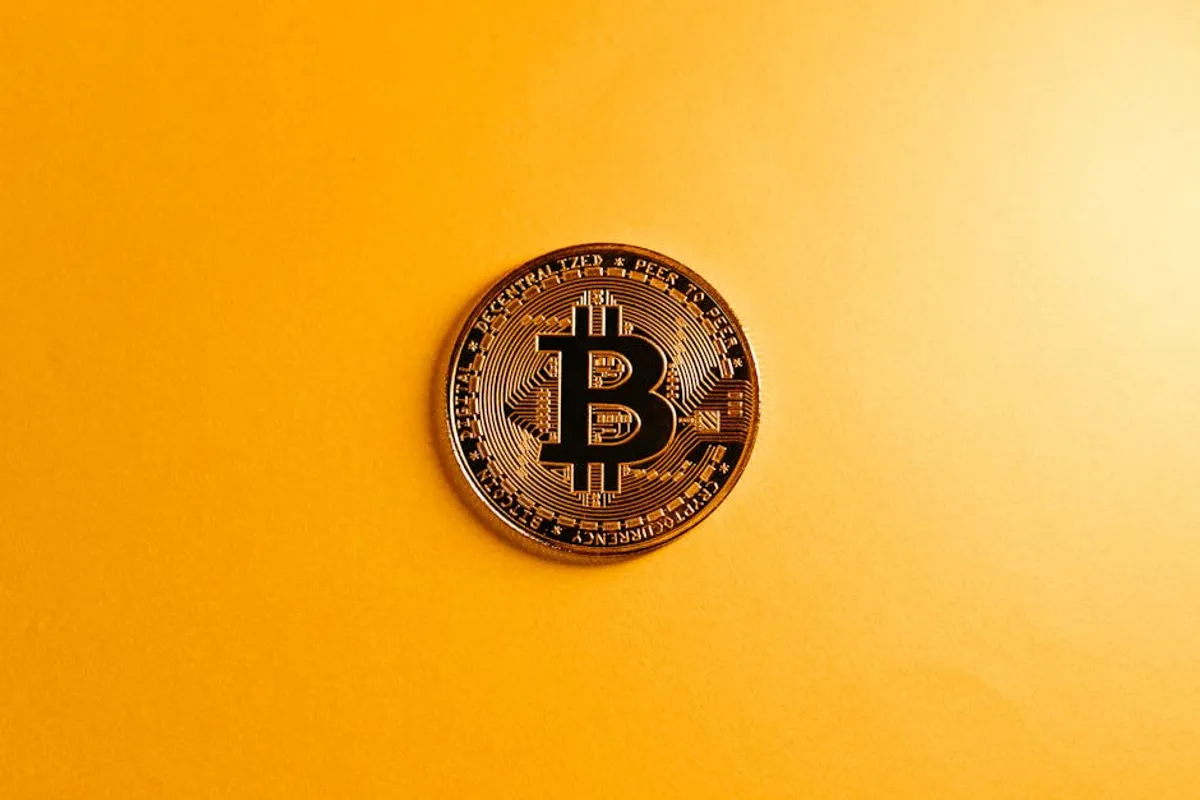
For online casino operators, the integration of cryptocurrency payment options represents a strategic decision influenced by evolving user demand, transaction efficiency, and the dynamic regulatory landscape. This article examines the operational specifics of incorporating Bitcoin, Ethereum, and Litecoin as primary payment methods, focusing on their distinct technical attributes and commercial implications for a casino platform.
Understanding Crypto Casino Operations
Crypto casinos leverage blockchain technology to facilitate deposits, withdrawals, and sometimes even game logic. The appeal for both operators and players stems from several factors: enhanced privacy, often lower transaction fees compared to traditional banking rails, and faster processing times for international transactions. For operators, this translates to reduced chargeback risk and access to a growing demographic of cryptocurrency holders. The underlying technology dictates the specific advantages and challenges each cryptocurrency presents.
Bitcoin Payments: Foundations and Frameworks
Bitcoin (BTC) remains the most recognized cryptocurrency, offering a robust and decentralized payment network. Its integration into a casino platform primarily involves managing transaction confirmations and addressing network congestion.
Operational Advantages of Bitcoin
- Global Accessibility: Bitcoin's borderless nature allows for transactions with players worldwide, bypassing traditional banking restrictions.
- Reduced Fees (for operators): While player-paid network fees can fluctuate, the absence of intermediary banks often means lower processing costs for the casino compared to credit card or wire transfers.
- Enhanced Security: Transactions are secured by cryptographic proof and the decentralized nature of the blockchain, minimizing fraud risk once confirmations are met.
Key Considerations for Bitcoin Integration
Bitcoin's block time, averaging around 10 minutes, means transaction confirmations can take longer than desired for immediate gameplay. Operators typically require multiple confirmations (e.g., 3-6 blocks) to consider a deposit final, which can translate to 30-60 minutes. This latency necessitates clear communication with players regarding deposit processing times. Volatility also requires robust treasury management strategies to convert BTC holdings to stablecoins or fiat quickly to mitigate market risk.
Ethereum Payments: Smart Contracts and Ecosystem
Ethereum (ETH) extends beyond simple value transfer, offering smart contract functionality that can automate various aspects of casino operations. Its ecosystem supports a vast array of tokens (ERC-20), which can also be integrated as payment options.
Operational Advantages of Ethereum
- Faster Transactions: Ethereum's average block time is significantly shorter than Bitcoin's (around 13-15 seconds), allowing for quicker deposit confirmations and an improved player experience.
- Smart Contract Utility: For advanced platforms, smart contracts can automate payouts, bonuses, or even provably fair game mechanics, enhancing transparency and reducing manual overhead.
- Token Ecosystem: The ability to accept ERC-20 tokens expands payment options, catering to a broader crypto-savvy audience who may hold various altcoins.
Key Considerations for Ethereum Integration
Ethereum's "gas fees" (transaction costs) can fluctuate significantly based on network congestion. During peak periods, these fees can become substantial, impacting both player deposits and operator withdrawals. Operators must monitor gas prices and potentially absorb some costs or clearly communicate them to players. The transition to Ethereum 2.0 (Serenity) aims to address scalability and gas fee issues, but current implementations still require careful management.
Litecoin Payments: Speed and Efficiency
Litecoin (LTC) was designed as a "silver" to Bitcoin's "gold," offering faster transaction speeds and a different hashing algorithm. It provides a practical, lower-cost alternative for casino payments.
Operational Advantages of Litecoin
- Rapid Confirmations: Litecoin boasts a block time of approximately 2.5 minutes, making it significantly faster than Bitcoin for deposit confirmations. This improves player satisfaction by reducing wait times.
- Lower Transaction Fees: Historically, Litecoin transaction fees have been consistently lower than both Bitcoin and Ethereum, making it an attractive option for smaller deposits and withdrawals.
- Established Network: As one of the older altcoins, Litecoin has a proven track record of stability and network reliability, offering a dependable payment rail.
Key Considerations for Litecoin Integration
While faster and cheaper, Litecoin's market capitalization and liquidity are generally lower than Bitcoin and Ethereum. This can impact the ease and cost of converting large volumes of LTC to fiat or other cryptocurrencies. Operators should assess their expected transaction volumes and liquidity needs when considering LTC as a primary payment method.
PRO TIP: When integrating crypto payments, prioritize robust treasury management solutions capable of handling cryptocurrency volatility. Implementing real-time conversion mechanisms or maintaining sufficient stablecoin reserves can mitigate exposure to market fluctuations, directly impacting operational profitability and player trust. Regular reconciliation and auditing of crypto wallets are also crucial for financial integrity.
Optimizing Crypto Payment Offerings
The successful integration of Bitcoin, Ethereum, and Litecoin payments extends beyond mere technical setup. It requires a strategic approach to user experience, security, and financial management.
Strategic Implementation Points
- Payment Gateway Selection: Partner with a reputable crypto payment gateway that supports multiple currencies, offers API integration, and provides tools for volatility management and compliance.
- User Interface Clarity: Design clear, intuitive interfaces for crypto deposits and withdrawals, including real-time status updates and estimated confirmation times.
- Dedicated Support: Train customer support staff on common crypto transaction issues, such as incorrect wallet addresses, network congestion, and fee structures.
- Regulatory Compliance: Stay informed about the evolving legal and regulatory landscape for crypto gambling in target jurisdictions. Implement KYC/AML procedures appropriate for crypto transactions.
- Security Audits: Regularly audit smart contracts, wallet infrastructure, and payment gateway integrations to prevent vulnerabilities.
By carefully evaluating the distinct characteristics of Bitcoin, Ethereum, and Litecoin, casino operators can build a resilient and attractive crypto payment ecosystem. The focus should remain on providing a secure, efficient, and transparent experience that leverages the unique benefits of blockchain technology while mitigating its inherent risks.
Frequently Asked Questions
What are the primary security concerns with crypto casino payments?
Key concerns include securing private keys for wallets, protecting against phishing attacks targeting users, and ensuring the integrity of smart contracts if used. Operators must implement strong internal security protocols and educate players on best practices for protecting their crypto assets.
How does crypto volatility affect casino operations?
Cryptocurrency price volatility can impact the real-world value of deposits and withdrawals between the time of transaction and settlement. Operators often mitigate this by converting crypto holdings to stablecoins or fiat currency quickly, or by using payment processors that offer instant conversion services.
Which cryptocurrencies offer the fastest transaction times for players?
Among Bitcoin, Ethereum, and Litecoin, Litecoin generally offers the fastest transaction confirmation times (around 2.5 minutes), followed by Ethereum (13-15 seconds per block, but often requiring multiple confirmations for finality), and then Bitcoin (around 10 minutes per block, with multiple confirmations needed).
Do crypto casino payments incur fees?
Yes, all cryptocurrency transactions incur network fees, which are paid to miners or validators to process and secure the transaction. These fees vary by cryptocurrency and network congestion. Some payment processors may also add their own service fees.