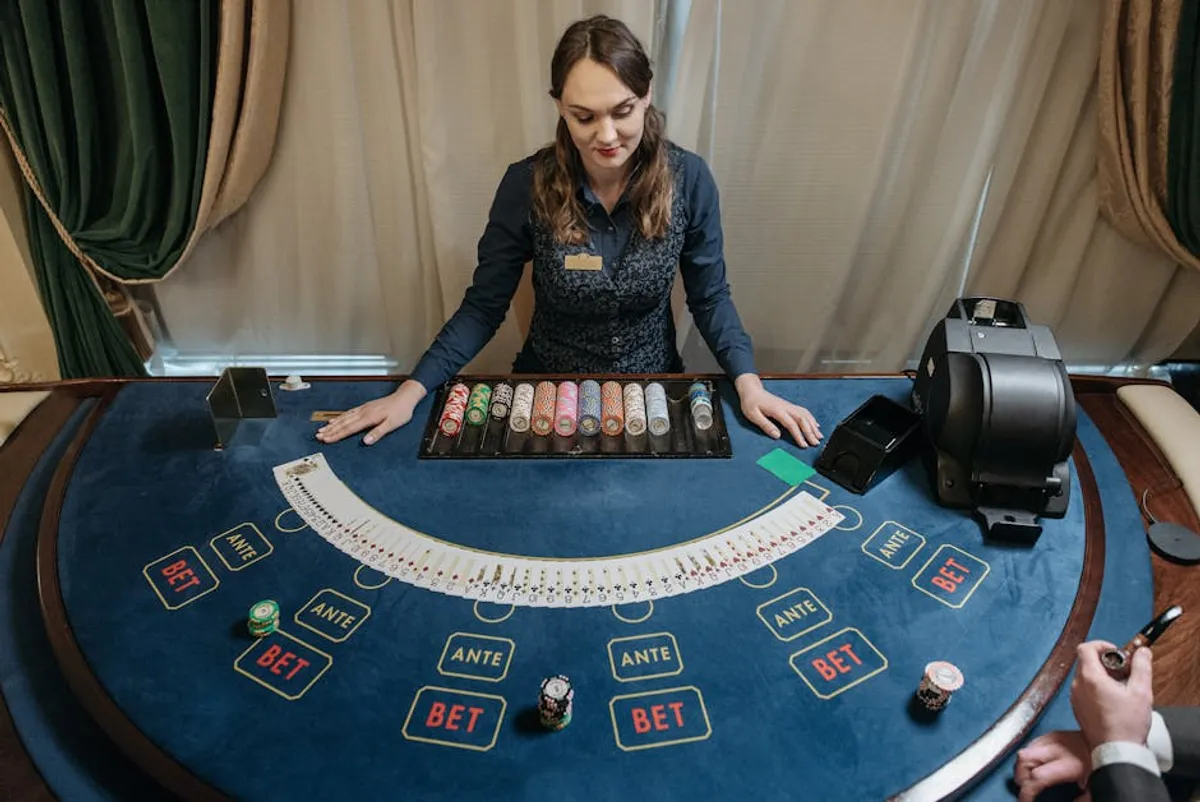
Casino loyalty programs represent a critical mechanism for operators seeking to cultivate long-term player engagement and maximize customer lifetime value. Far from being simple discount schemes, these programs are sophisticated retention tools designed to incentivize repeat play, differentiate brands in a competitive market, and gather valuable data on player behavior. For any business in the iGaming sector, understanding the architecture and strategic application of these programs is essential for sustainable growth and market positioning. The decision to implement or refine a loyalty program hinges on specific business objectives, whether that's reducing churn, increasing average deposit value, or fostering a stronger sense of community among high-value players.
Understanding the Core Mechanics
At their foundation, casino loyalty programs operate on principles of reciprocity and perceived value. Players engage in activities, typically wagering, and in return, they receive rewards that increase in value and exclusivity as their engagement deepens. This creates a feedback loop: play leads to rewards, which in turn encourages more play. The success of such a system relies on transparent rules, attainable benefits, and a clear communication strategy.
Points Accumulation Systems
The most common mechanism involves points. Players earn points based on their wagering activity, often at different rates depending on the game type (e.g., slots might earn more points per dollar wagered than blackjack due to higher house edge). These points can then be redeemed for various benefits, such as:
- Bonus credits for further play
- Merchandise or gift cards
- Cashback
- Entry into exclusive tournaments or prize draws
- Reduced hotel rates or amenities at land-based affiliates
The conversion rate of points to rewards, the expiration policy, and the ease of redemption are critical factors influencing player perception and program effectiveness. A system that is too complex or stingy can deter participation, while one that is too generous can impact profitability.
Tiered Reward Structures
Many loyalty programs incorporate a tiered structure, segmenting players into different levels (e.g., Bronze, Silver, Gold, Platinum, Diamond) based on their accumulated points or activity over a set period. Advancing to a higher tier unlocks progressively better rewards and benefits. These often include:
- Higher points earning rates
- Dedicated account managers
- Faster withdrawal processing
- Exclusive bonuses and promotions
- Invitations to VIP events
- Personalized gifts
Tiered systems create aspirational goals for players, encouraging them to increase their activity to reach the next level. The perceived status associated with higher tiers also plays a significant psychological role in retention.
Strategic Advantages for Operators
Implementing a well-designed loyalty program offers several distinct commercial advantages beyond simple player retention. These benefits contribute directly to the operator's bottom line and competitive standing.
Enhancing Player Lifetime Value (LTV)
The primary strategic goal of any loyalty program is to extend the player lifecycle and increase their overall value to the business. By consistently rewarding players for their activity, operators foster a sense of appreciation and belonging, reducing the likelihood of players migrating to competitor platforms. This sustained engagement translates into higher average deposit values, more frequent play, and ultimately, a greater LTV.
Data-Driven Personalization
Loyalty programs are invaluable data collection tools. Every interaction, point earned, and reward redeemed provides insights into player preferences, gaming habits, and spending patterns. This data enables operators to:
- Segment their player base accurately
- Tailor personalized promotions and bonus offers
- Identify high-value players for VIP treatment
- Optimize game offerings based on popularity
- Anticipate churn risks and implement targeted re-engagement strategies
The ability to personalize the player experience significantly enhances engagement and perceived value, leading to stronger loyalty.
Competitive Differentiation
In a saturated market, a robust and attractive loyalty program can serve as a key differentiator. Beyond game selection and promotions, the quality and perceived value of a loyalty scheme can sway player choice. A program that offers unique, relevant, and attainable rewards creates a compelling reason for players to choose and remain with one operator over another. This is particularly true for high-stakes players who often seek exclusive benefits and personalized service.
Pro Tip: When designing a loyalty program, ensure the redemption process is frictionless. Complex or delayed reward claims diminish the perceived value and can lead to player frustration, negating the program's intended benefits.
Common Loyalty Program Elements
While points and tiers form the backbone, effective programs often integrate additional elements to enhance engagement:
- Exclusive Tournaments: Offering access to private tournaments with larger prize pools as a loyalty reward.
- Birthday Bonuses: Personalized offers to celebrate a player's special day, reinforcing a personal connection.
- Cashback Offers: A percentage of net losses returned to the player, providing a safety net and encouraging continued play.
- Dedicated Support: Priority customer service or a personal account manager for higher tiers.
- Early Access: Granting loyal players early access to new games or features before general release.
Implementing an Effective Program
Successful implementation requires careful planning and ongoing optimization. Key considerations include defining clear objectives (e.g., 15% increase in player retention over 12 months), structuring a reward system that balances player appeal with profitability, and ensuring seamless technical integration. Regular analysis of player behavior and program performance metrics—such as redemption rates, tier progression, and churn rates among different loyalty segments—is crucial for identifying areas for improvement and ensuring the program remains relevant and effective.
Optimizing Player Retention through Loyalty
For operators, a well-structured loyalty program is not merely an added feature; it is an integral component of a comprehensive customer relationship management strategy. It moves beyond transactional interactions to build enduring relationships, fostering a community of engaged players. By continuously evaluating the program's impact on key performance indicators and adapting it to evolving player expectations, businesses can secure a competitive edge and drive sustained profitability in the dynamic iGaming landscape.
Frequently Asked Questions
What is the primary goal of a casino loyalty program?
The primary goal is to incentivize repeat play, enhance player retention, and increase the lifetime value of customers by rewarding their continued engagement and wagering activity.
How do tiered loyalty programs work?
Tiered programs segment players into different levels (e.g., Bronze, Silver, Gold) based on their activity. As players accumulate points or meet specific criteria, they advance to higher tiers, unlocking progressively more valuable rewards and exclusive benefits.
Are loyalty program points redeemable for cash?
While some programs allow points to be redeemed directly for cash, many convert points into bonus credits for further play, merchandise, or other non-cash benefits. The specific redemption options vary significantly by operator.
What data insights can loyalty programs provide?
Loyalty programs provide valuable data on player preferences, gaming habits, spending patterns, and engagement levels. This information is used for personalized marketing, identifying high-value players, and optimizing game offerings.